

Do you wake up with stiff joints and feel tired before your day even starts? Many people live with chronic pain and worsening health problems and don’t know how to fix them. Sometimes, the answer is simple: a more balanced diet with anti-inflammatory foods.
If you’re on a budget, though, you might think eating healthy costs too much. When trendy “healthy” items at the grocery store cost two to three times as much as store brands, it’s hard to justify choosing the more expensive option.
However, protecting your body is vital, and it does not have to break the bank.
Choosing anti-inflammatory foods can calm joint pain and support overall wellness. Even small changes to what you put in your body can lower swelling, increase energy, and help you feel better every day.
How Inflammation Affects Your Health
Inflammation in small doses is actually crucial for your body’s immune system.
When your body senses danger to tissues or organs, like when you get cut or have a cold, a healthy body reacts quickly with an “inflammatory response.”
Cytokines, which are kind of like messenger pigeons for your immune system, flood the injured or germ-invaded area to trap germs and protect the body. The bigger the danger, the more cytokines and immune cells (with extra fluid to support and transport them) collect in the area.
For example, think about a mosquito bite. The actual bite is so tiny that you can’t see it, but the surrounding area becomes inflamed because your body senses the mosquito’s saliva. Your immune system treats that saliva like an invader and calls for an inflammatory response, also known as acute inflammation.
(Also, the annoying itching happens because of the immune response, not the actual bite!)
Unfortunately, your body doesn’t always recognize when the danger is over. When inflammation continues for weeks, months, or even years, it can damage healthy tissue in your organs and blood vessels.
That’s chronic inflammation. Over time, it can lead to swollen joints, chronic pain, skin issues, fatigue, and even significant health conditions, like Type 2 diabetes, digestive problems, and heart and circulatory issues.
Many factors can cause chronic inflammation, but a diet that lacks key nutrients and is rich in certain foods may start it or make it worse.

How Your Diet May Cause Inflammation
Think about inflammation like a fire in your blood vessels and tissues. The foods you eat every day can either feed this internal fire or put it out.
Many cheap, convenient foods are high in processed sugars, sodium, refined flour, and trans and saturated fats. When you eat these foods, your body releases chemical messengers called cytokines that trigger swelling throughout your system.
The more you rely on those foods, the longer your body stays stuck in an inflammatory response, keeping you in a constant state of stress and pain.
Unfortunately, busy schedules and tight budgets make it easier to choose drive-thru meals and pre-packaged foods.
But with a few simple swaps and the right anti-inflammatory foods, you can prevent and even reverse these effects faster than you might think.
Best Anti-Inflammatory Foods to Shop For
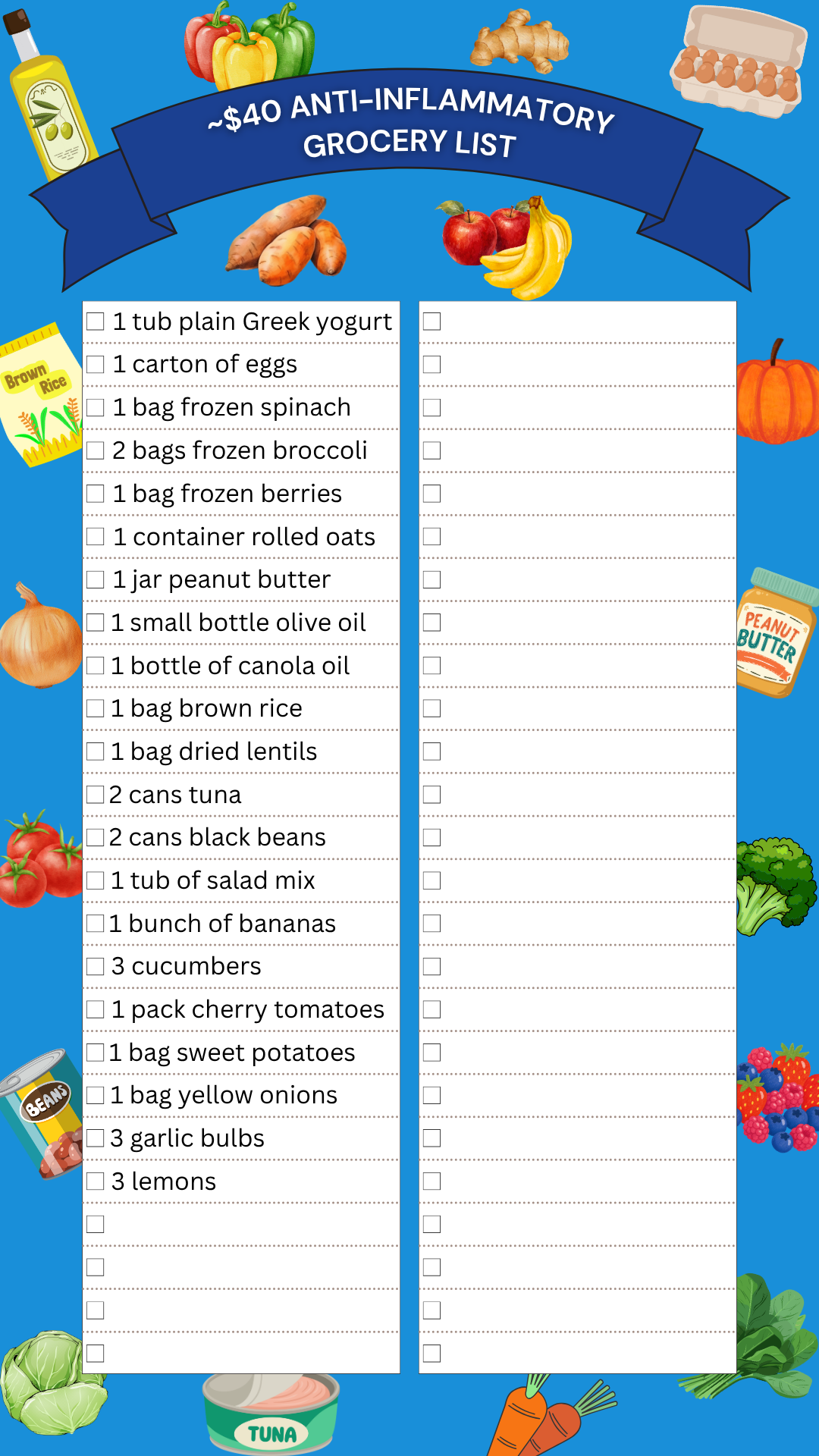
Making healthier, more informed choices at the grocery store doesn’t mean buying expensive items. You can find powerful anti-inflammatory foods without spending a ton of money.
A helpful reminder: shop fresh first! (And yes, frozen counts as fresh because most frozen fruits and vegetables have no preservatives; they are flash-frozen in their freshest, ripest state.)
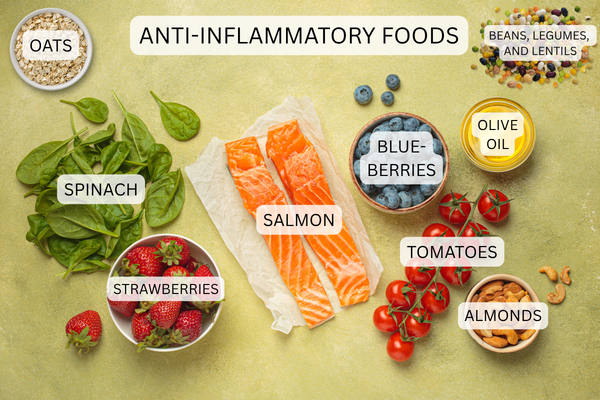
- Dark Leafy Greens: Frozen or fresh spinach, kale, and other dark greens contain antioxidants that protect your cells from damage.
- Canned Fish: Tuna, salmon, and sardines are packed with omega-3 fatty acids that decrease swelling and improve joint health.
- Berries and Other Fruits: Fresh or frozen blueberries, strawberries, and most other fruits offer natural sweetness while fighting free radicals, strengthening your immune system, and reducing swelling.
- Beans and Lentils: Canned and dried black beans, red beans, pinto beans, and lentils provide fiber that stabilizes blood sugar. (Check the sodium content on canned goods, though! It’s best to buy low-sodium varieties when available.)
- Nuts and Seeds: Peanuts, sunflower seeds, and chia seeds offer healthy fats that protect your heart and Vitamin E that fights inflammation. Even peanut butter is good for you in moderation.
- Heart-healthy Oils: Olive oil is the most anti-inflammatory and heart-healthy choice, but it can be pricey and isn’t always suitable for high-heat cooking. Other great options include avocado, sunflower, and canola oil.
- Whole Grains: Whole grains improve your immune system and gut health with high fiber, antioxidants, and vitamins. Some anti-inflammatory foods are whole grains on their own, such as brown rice, quinoa, whole oats, and even popcorn. Other foods contain whole grains, like cereal and whole wheat bread, and can be part of a well-balanced diet. (Just be sure to look at the labeling and avoid the high-sugar options!)
Easy Meals with Anti-Inflammatory Foods
Meal prepping may not sound like a ton of fun on your day off. But putting together some easily reheatable meals ahead of time saves you tons of work during the week.
Plus, it makes a balanced diet more approachable while removing the temptation of salty, fat-filled, non-nutritious, and honestly kind of pricey fast food.
Some quick tips for meal prepping with anti-inflammatory foods include:
Cook Anti-Inflammatory Foods in Bulk
Prepare a large pot of brown rice, beans, and/lentils. You can cook them with onions, garlic, tomatoes, frozen spinach, corn, and other affordable options for extra flavor and nutrients.
Store your finished creations in small containers, and then add fresh toppings before work for delicious, complete meals. (Think burrito bowls, Greek lentil bowls, brown rice salads, etc.)
Make Your Own Salad Dressing
Store-bought dressings often contain added sugar, salt, and saturated fats.
Instead, make your own with olive or avocado oil, lemon juice or your vinegar of choice, garlic powder, favorite herbs, and salt and pepper. The choices are endless, and you’ll end up saving money while avoiding inflammatory ingredients.
Make Tuna Salad
You can quickly make the best sandwich filling (if you like tuna) by mixing drained canned tuna, a little mayo, some chopped green or yellow onion, and salt and pepper together in a large container.
Just slap it on some whole wheat bread when you’re ready to eat. Or top with sliced cucumber, tomato, onion, and some spinach for a complete meal.
Use Sheet Pan Meals
Toss chopped sweet potatoes, carrots, and frozen broccoli with olive oil, garlic powder, salt, and pepper, then roast on one baking sheet until done to your liking. Then portion into to-go containers, and throw in a tuna sandwich or a can of sardines and crackers.
Prep Overnight Oats
Mix oats, water or milk, and plain Greek yogurt in jars overnight for an easy, no-cook morning meal. In the morning, add your favorite mix-ins or eat as is. You can also prep hard-boiled eggs for a protein boost! (They last about a week in the fridge, making them another great meal prep option.)
Use Your Blender
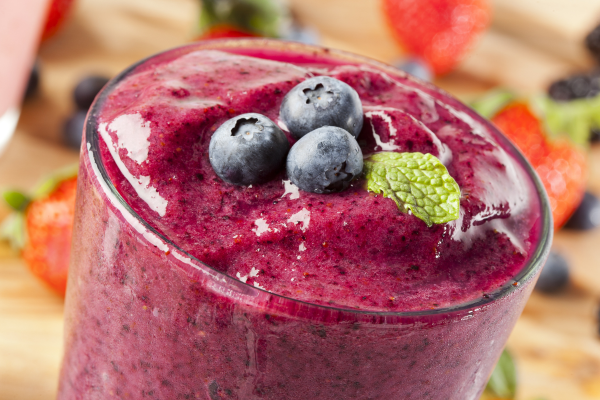
One of the fastest and easiest ways to get a ton of anti-inflammatory foods into your diet is through smoothies. The options are endless, and with frozen fruit and store-brand Greek yogurt, you can make a powerhouse smoothie on a budget!
Inflammation-Causing Foods to Limit or Avoid
To protect your joints and blood vessels, a well-balanced diet with fewer overly processed foods is best. You don’t have to stop going through the drive-thru completely, but the more you cut back, the better.
Foods that trigger swelling and don’t have much real nutritional value for your health include:
- Refined Sugars: Candy, sodas, pastries, and sweet drinks cause immediate blood sugar spikes.
- Trans Fats: Fried chicken, French fries, and packaged snack cakes damage blood vessel walls.
- Processed Meats: Hot dogs, sausage, and bacon contain large amounts of sodium that worsen joint stiffness.
- Refined Carbohydrates: White bread and white pasta quickly break down into sugar in your bloodstream.

Affordable Swaps for Anti-Inflammatory Foods
It’s okay if you have no time or know-how for meal prepping. You can make some simple and affordable swaps that favor nutritious, anti-inflammatory foods over those that can cause or worsen swelling.
| Instead of Buying… | Buy These | Why It Helps Your Body |
|---|---|---|
| White bread and white rice | Whole-wheat bread, brown rice, or oats | Fiber slows sugar absorption and reduces blood sugar spikes. |
| Sugary sodas and sweet tea | Unsweetened iced tea or lemon water | Cuts out refined sugar that feeds internal swelling. |
| Vegetable oil or margarine | Canola oil or olive oil | Provides healthy fats that lower chemical cytokines. |
| Potato chips | Roasted chickpeas, plain peanuts, or homemade popcorn (avoid the bagged kind!) | Beans and legumes deliver protein and fiber instead of harmful trans fats. Popcorn is packed with whole grain and fiber! |
| Processed deli meats | Canned tuna or eggs | Reduces preservatives and sodium that raise blood pressure. |
| Candy and sweet treats | Fresh fruit or dark chocolate | Both fresh fruit and dark chocolate contain inflammation-fighting antioxidants without a ton of added sugar. |

Checkups for Catching Inflammation-Related Problems
A well-balanced diet matters, but eating anti-inflammatory foods is only half the battle.
Regular checkups are crucial for identifying and treating inflammation-related problems in your body. The earlier issues are noted, the easier they will be to treat and possibly even reverse.
At North Texas Clinic & Rehab in Hurst, TX, we offer simple tests to check your whole health:
- Hemoglobin A1C Test: Measures your average blood sugar over three months. An A1C below 5.7% is normal, 5.7% to 6.4% indicates prediabetes, and 6.5% or higher indicates diabetes.
- Whole Blood Wellness Panels: Complete blood counts check for organ and immune function. We interpret high or low readings of different blood markers individually, since many acute and chronic conditions can cause fluctuations.
- Blood Pressure Checks: Normal blood pressure is under 120/80 mmHg. High readings mean your blood vessels are under constant stress and swelling.
- Chiropractic Evaluations: A chiropractor can assess and adjust joint misalignments and pain caused by swelling, stiffness, and nerve pressure. We can also provide tailored exercises and stretches to ease swelling, improve mobility, and decrease pain.
One of the many benefits of going to a combined chiropractic and primary care clinic like ours is that we identify and treat inflammation-related problems holistically.
Questions to Ask Your Doctor About Inflammation
If you’re not sure where to start with treating inflammation, your healthcare provider can help.
Empower your health by asking your provider these simple questions:
- What was my last A1C result, and what does it mean for my joint health?
- Could my joint stiffness be related to high blood sugar or systemic inflammation?
- Are there safe exercises or chiropractic options that can ease my joint pain?
- Can you help me review my diet to lower my risk for chronic conditions?

Get Inflammation Relief Today
At North Texas Clinic & Rehab in Hurst, TX, quality healthcare is always accessible, regardless of income or insurance status.
Our team combines primary care screenings with gentle chiropractic care to help you reduce pain and keep your blood sugar and overall health in check.
Knowing which anti-inflammatory foods to look for will help you make more informed choices at the grocery store, supporting wellness and reducing pain.
If you are tired of living with joint stiffness and fatigue, we are here to support you. Schedule an appointment at North Texas Clinic & Rehab today.