
Do you notice a dull ache in your wrist at the end of every work shift? Is it becoming harder and harder to lift your arms above your head? These are possibly signs of repetitive strain injuries.
When we think about getting hurt at work, we often think about sudden accidents like falling off a ladder or slipping on a wet floor.
However, most workplace health problems do not happen all at once.
They build up slowly over many months or even years. Small, daily strains can turn into big problems that make it hard to earn a living.
What Are Repetitive Strain Injuries?
A repetitive strain injury (RSI) happens when you do the same motion over and over again. This constant movement places too much stress on a specific part of your body.
At first, repetitive motions may only cause muscle strain. But over time, they can lead to more chronic conditions, such as tendonitis, bursitis, and nerve compression.
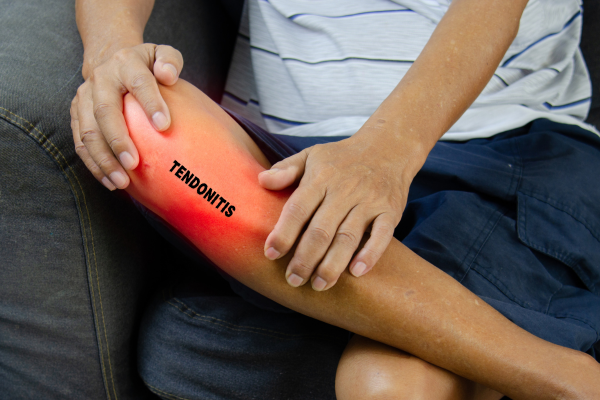
Tendonitis: Tendons are like strong rubber bands that connect your muscles to your bones. With repetitive movement, those rubber bands develop tiny tears. Normally, they heal quickly on their own. But when you keep repeating the same movement, small tears keep forming or worsen, and your body can’t keep up, leading to chronic inflammation and pain.
Bursitis: This condition happens when the bursae, the fluid-filled sacs that protect the bones, tendons, and muscles around joints, become inflamed. Frequent pressure from repeated movements causes damage and swelling, leading to stiffness and pain.
Nerve Compression: When tissues near nerves become inflamed, they can cause pinching or irritation of that nerve. This situation is common with conditions like carpal tunnel and sciatica.
People often think these injuries only happen to office workers who type all day (i.e., carpal tunnel in the wrists).
The truth is that these injuries happen in almost every industry. Workers in warehouses, construction sites, restaurants, janitorial services, and grocery stores are all at an equally high risk.
Where Can Repetitive Strain Injuries Occur?
RSIs can develop in practically any joint in your body, especially those that you move the same way every day.
Most often, they occur in your wrists, elbows, shoulders, neck, lower back, knees, and ankles.
- Wrist and Hand Injuries: Osteoarthritis and carpal tunnel can occur in roles that require frequent hand and fine-motor movements or hand strength. This can range from typing to assembly-line production to drawing.
- Elbows and Shoulders: Injuries like tennis elbow and rotator cuff strain often occur with larger movements, such as scanning items at checkout, stocking shelves (especially overhead), and frequent gripping and lifting.
- Neck and Back: Neck pain is common for people who have to look down a lot or who have improper posture when sitting at a desk. Back pain can occur in many ways, including just being on your feet for long periods or, ironically, sitting all day. But it is especially prevalent in professions that involve heavy lifting.
- Knees and Ankles: Your lower body supports everything your upper body has to do, so knee and ankle pain can happen in almost any profession that involves being on your feet. Frequent squatting, running, or climbing (such as on ladders) can increase your risk of injury.
Because your whole body is connected, repetitive strain injuries can also occur in multiple areas at once. Most people don’t just have wrist pain; they’re also dealing with neck, shoulder, and back pain as well.
That’s why early intervention and prevention are so important. A seemingly small problem can get worse quickly.

How Workplace Damage Builds Up Over Time
The dangerous thing about repetitive strain injuries is how quietly they start. It does not hit you like a sudden fall. Instead, it builds up in stages.
In the first stage, you might feel a mild ache while you are working. The ache usually goes away once you go home and rest for the night. Occasional pain is your body’s early warning sign.
If the movement continues without changes, you move into the second stage. The pain starts earlier in your work shift. It might not go away when you go home. You might also start to notice swelling, warmth, or a loss of strength.
In the third stage, the pain is constant. It hurts when you work, and it hurts when you rest. Sleep can become difficult, and you might have to rely on consistent pain medication just to get through the day.
Once it reaches this stage, it is more difficult to manage and treat. But certainly not yet impossible.
However, without professional care, permanent damage can happen. Consistent tissue damage turns into thick scar tissue that stiffens and weakens muscles. The harder it is to move, the less you’ll do it, potentially causing a permanent loss of range of motion and mobility.
The unfortunate long-term effect of untreated repetitive strain injuries is disability. If your body physically cannot handle the demands of a job, you may lose it. This loss can cause significant financial strain on you and your family. Not to mention the daily rigors of living with constant pain.
Taking care of your body as early as possible is the best way to protect your health and your future.
Preventing Repetitive Strain Injuries with Ergonomics
Ergonomics is just a scientific word for making sure you move your body in the safest ways possible. Small changes to how you stand, sit, and hold your tools can take a lot of pressure off your joints.
If you work at a desk or a cash register, look at the position of your elbows and wrists. Your elbows should stay at a 90-degree angle while you work. Keep your wrists straight instead of bending them up or down. Office workers should request adjustable chairs with lumbar support. And make sure your screen is at eye level to avoid looking down and bending your neck more than necessary.
For professional drivers or those who can’t take frequent breaks, the 90-degree angle is just as important. Sit with your whole back against the seat, and keep your knees parallel to your hips. Lumbar support can increase comfort, and always make sure your pockets are empty to avoid uneven sitting and pressure that can cause sciatica.
If your job requires heavy lifting, always bend your knees and lift with your leg muscles, never your back. Avoid twisting your back while holding a heavy object, consider wearing a supportive back brace throughout the day, and try to team-lift whenever possible.
If you stand on hard concrete floors all day, ask for a padded floor mat or wear shoes with good arch support.
These simple but consistent adjustments can stop injuries before they start.

The Power of Rest Breaks and Easy Stretches
Giving your body regular breaks is vital for healing. You should try to follow the 20-20 rule. Every 20 minutes, take a 20-second break to look away from your work and relax your muscles. (This is great for eye health, too!)
Stretching helps to keep your muscles loose and flexible while improving circulation. And don’t worry, you don’t have to do a whole yoga routine in front of your coworkers. Think about the joints and muscles you use most, and focus on stretching those at least a few times throughout the day.
For example, for your wrists, extend one arm straight out in front of you with your fingers pointing down. Use your other hand to pull your palm toward you gently. Hold this stretch for 15 seconds, then point your fingers up, and repeat. Then, switch arms.
To stretch your neck and shoulders, slowly roll your shoulders backward 10 times, then forward 10 times. Then, gently tilt your ear down toward your shoulder until you feel a soft stretch on the side of your neck. Hold it for 15 seconds and repeat on the other side. Finally, do 5-10 neck circles each way by pretending to draw a large circle in the air with your nose.
Quick Back Stretches
No matter your profession, back stretches can do a world of good for preventing pain and strengthening your core.
- Spine Twists: Whether seated or standing, twist your spine while keeping your hips in place. Hold on one side for 15 seconds, and then twist the other way.
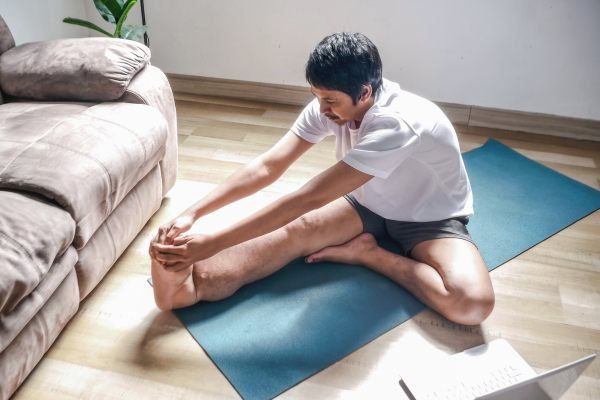
- Forward Fold: Again, whether seated or standing, perform a forward bend by touching your toes (or as close as possible) and hold for 15 seconds. Slowly roll up, trying to move each vertebra at a time.
- Seated Cat/Cow: In a chair, place your hands on your knees, take a deep breath, roll your shoulders back, and arch your back to look up at the ceiling. As you slowly exhale, look down, roll your shoulders forward, and bring your belly button to your spine while tucking your tailbone.
- Torso/Arm Stretch: While seated or standing, lift your arms overhead, interlocking your fingers, and turn your palms up to the ceiling. Take a deep breath while stretching, then slowly lower from the waist on one side, then the other, for a deep stretch for your shoulders, arms, and sides.
Do these movements multiple times throughout your shift.

Easing the Discomfort of Repetitive Strain Injuries at Home
Of course, the ultimate goal is to prevent them from happening in the first place.
But if you’ve already spent years in a particular role and developed some of the common aches and pains associated with it, some at-home care can prevent them from becoming worse.
First, simple rest can help significantly. Make sure you’re not overdoing it when you’re off the clock, so you allow time for your muscles to relax. Be sure you’re also getting enough sleep at night because that’s when your body works hardest to repair itself.
While ice is great for new injuries with inflammation, heat is the best choice for chronic pain. Use a heating pad, take a long, warm bath, or use a warm rag compress on painful joints.
Over-the-counter medications can provide relief for swollen, achy joints. If it is safe and doesn’t counteract with other medications, opt for NSAIDs, like Ibuprofen, to decrease both inflammation and pain.
Finally, take the time you don’t have during the workday to do more focused, deeper stretches. YouTube is a great source for yoga and stretching routines specific to your needs. Or try incorporating these mobility movements into your daily life. Keeping your joints flexible and muscles strong will help prevent long-term injuries.
Affordable Care at North Texas Clinic and Rehab
We know that many people in our community skip the doctor because they worry about the cost. At North Texas Clinic & Rehab, we believe that everyone deserves quality healthcare. We keep our prices fair and as low as possible so you can get help without breaking the bank.
We work with most major medical insurance companies to help cover the cost of your treatments. If you do not have health insurance, we will work with you to develop affordable payment plans that fit your monthly budget. We also accept CareCredit, a special credit card for healthcare needs that lets you pay for care over time.
Our clinic can also help you navigate the confusing paperwork of a Workers’ Compensation case. Yes, Workers’ Comp covers repetitive strain injuries, especially when you work with a medical provider who recognizes the signs. While treating your pain, we will also ensure your paperwork is in order so you can receive the benefits you deserve. If your employer does not carry Workers’ Comp insurance, we can provide you with referrals to trusted attorneys to protect your legal rights.
Finding Lasting Relief for Repetitive Strain Injuries
You do not have to live in pain just to earn a living, and repetitive strain injuries do not have to end your career or stop you from enjoying your life.
Our experienced team can help reduce your inflammation, decrease and even eliminate your pain, restore your movement, and teach you how to protect your body on the job. Our clinic offers chiropractic adjustments, physical rehabilitation, massage therapy, imaging referrals, and general healthcare to make sure you are healthy and strong from head to toe.
If you live in Hurst or the surrounding DFW area and are tired of living with pain, we are here to help. Schedule an appointment at North Texas Clinic & Rehab today.