
If you have kids, you know how vital regular health checkups are to ensure they grow and thrive as well as possible. But what many of us tend to ignore is that health checkups aren’t supposed to stop once we become adults.
Preventive care is essential for maintaining well-being, avoiding potential health issues, and leading a longer, healthier life. However, other priorities and life’s daily challenges may get in the way.
Fortunately, it’s never too late to get a handle on your health and start getting the checkups you need. It starts with understanding why these evaluations matter, knowing which screenings are recommended, and learning how to access them even if health insurance or cost is a barrier.
We believe everybody should have access to proactive healthcare and the confidence that comes with a clean bill of health.
The Importance of Checkups Throughout Your Life
Routine health checkups are a cornerstone of early disease detection, managing existing conditions, and promoting overall health.
They provide an opportunity to discuss lifestyle choices, receive necessary vaccinations, and undergo screenings tailored to age and risk factors. These checkups become even more critical for individuals without regular access to healthcare, as they can help identify silent health issues before they become severe.
Early detection is the best treatment for any condition; routine checkups can uncover problems before symptoms appear.

Necessary Health Checkups in Your 30s
In your 30s, establishing a relationship with a healthcare provider is vital. Key screenings and preventive measures include:
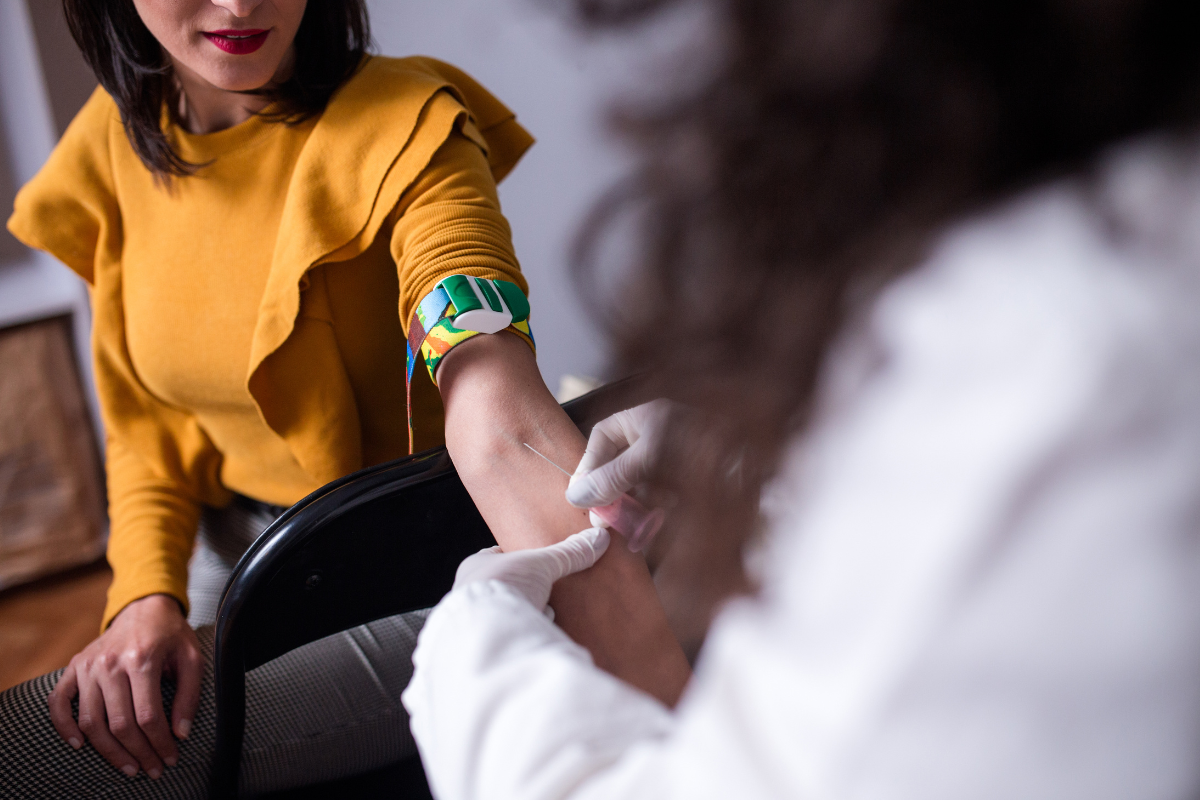
Blood Tests
- Cholesterol Check — Assessing your body’s lipid levels helps providers evaluate cardiovascular risk. Both blood pressure and cholesterol screenings are vital for those who struggle with weight management or have a family history of heart disease.
- Frequency — Most healthy adults, especially those under 40, only need this test every 4-6 years. However, you may need it more often if you have risk factors or previously high test results.
- Diabetes Screening — Catching the early signs of diabetes can prevent it from worsening or possibly even developing. Diabetes screening is vital for those with risk factors, such as obesity or a family history.
- Frequency — Healthy adults with normal readings should receive screening every 3 years. However, those with high-risk factors or prediabetes should have their glucose levels checked at least once a year or as recommended.
- Wellness Panel—Regular blood tests, also known as a Wellness Panel, show kidney, liver, and thyroid function and signs of infection, immune issues, and even some cancers.
- Frequency — Younger healthy adults may only need blood work every 5 years. However, your healthcare provider may recommend them more often as you age or with risk factors like smoking, frequent alcohol use, or a history of heart disease.
Other Necessary Tests
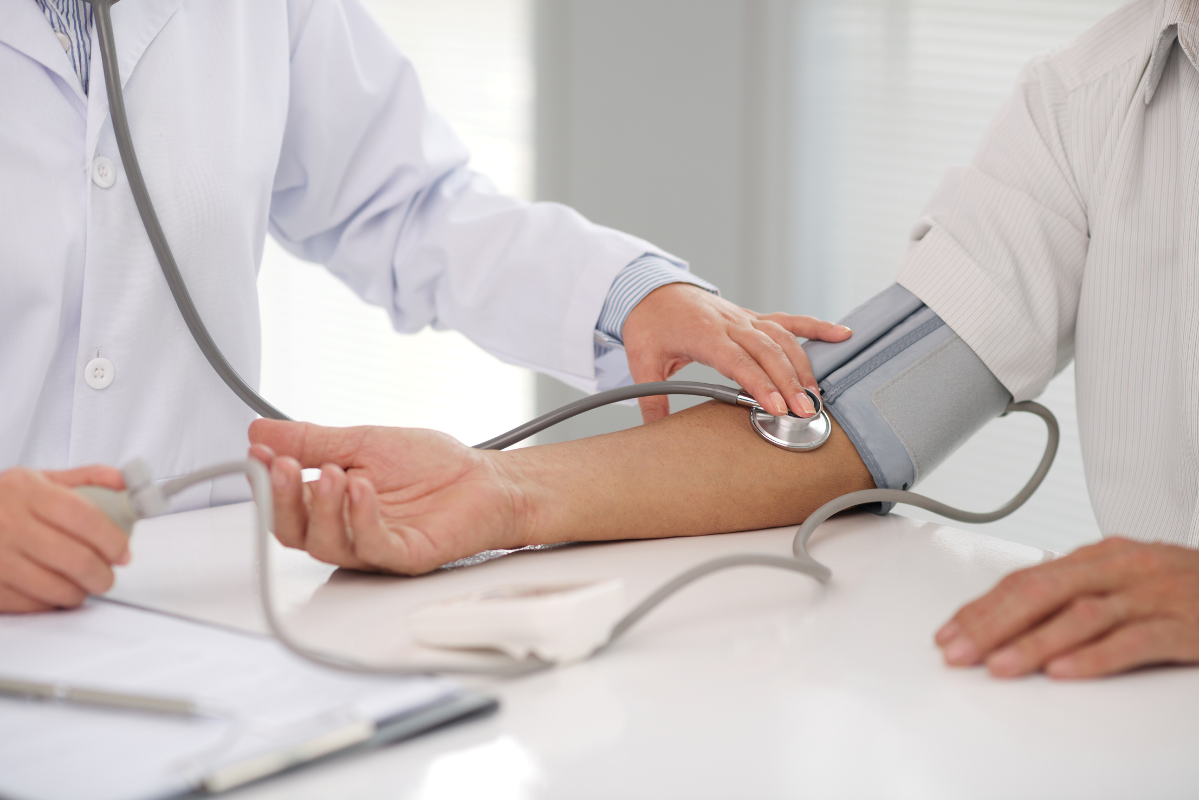
- Blood Pressure Screening — Regular monitoring detects hypertension early, giving you time to change your eating and exercise habits and reverse or slow the condition.
- Frequency — You should have blood pressure screening at least once a year or as directed by your healthcare provider if you are diagnosed with hypertension or on medications.
- Cervical Cancer Screening (Pap Smear) — While the likelihood of cervical cancer (without a pre-cancer history) goes down as you age, women in their 30s should still have regular Pap smears and HPV tests, especially those who are sexually active with more than one partner.
- Frequency — Women should have a Pap smear with or without a human papillomavirus (HPV) test every 3-5 years unless a provider recommends one more often. However, a yearly well-woman visit is important to discuss birth control, menstruation issues, STIs, and other common women’s health concerns.
- Sexually Transmitted Infection (STI) Screenings: For sexually active individuals, especially those with new or multiple partners, regular testing is crucial. Some of the conditions your provider may check for include chlamydia, gonorrhea, hepatitis B, and HIV.
- Frequency — Most sexually active adults should receive testing at least once per year or more. If you have been with a new partner, especially without protection, or if you know you may have been exposed to an STI, get tested as soon as possible.
Most importantly, even though you may not need most of these tests every year, annual checkups with your healthcare provider are still vital. Yearly visits give you a chance to discuss concerns or changes, and your provider can help you adopt healthy habits and lifestyle changes when necessary.
Preventive Care in Your 40s
As you enter your 40s, your healthcare provider may recommend increasing the frequency of some or all of the screenings above with additional exams, such as the following:
- Mammograms — New guidelines recommend women begin getting mammograms at age 40. Those with higher risk due to family history or genetic mutations should consider starting earlier. Additionally, your doctor may recommend a mammogram if you feel a lump or notice a change during a breast self-exam, which all women should do monthly starting at age 20.
- Frequency — Those assigned female at birth with an average breast cancer risk should get a mammogram every two years.
- Skin Cancer Screening — Head-to-toe self-checks are necessary for the skin, too. However, you can’t see or catch everything. Hence, skin cancer screenings with a dermatologist are essential, especially if you have fair skin, freckles, many moles, or a history of significant sun exposure, blistering sunburns, or skin cancer.
- Frequency — Because skin cancer can develop quickly, yearly exams are best. If you have any of the risk factors above, you may need more frequent screening.
- Colorectal Cancer Screenings — At age 45, experts recommend colorectal cancer screenings with at least one of two methods. The most common is a colonoscopy. The other is at-home tests, where you obtain and send a fecal sample for evaluation. At-home tests are appropriate for those without known risk factors, but false results are possible. Colonoscopies are recommended for more accurate results and are necessary for people with higher risk factors.
-
- Frequency — The average person should have a colonoscopy every 10 years or perform an at-home test every 3 years.
Depending on your health history, family history, genetic markers, and lifestyle, a healthcare provider may recommend screening for other types of cancer, such as ovarian, liver, and lung cancer.

Regular Health Checkups in Your 50s and Beyond
Once you reach your 50s, maintaining health becomes increasingly important. Recommended screenings include:
- Bone Density Test — This X-ray exam determines the density of your bones and your risk for osteoporosis. Men can develop it too, but it is more common in women over 65. Your healthcare provider may recommend this test earlier if you have had an early menopause, had bone fractures after the age of 50, are a long-time smoker or drinker, have a low weight, or have a family history of osteoporosis.
- Frequency — Your doctor is the best source for deciding how often you need a bone density scan, but frequency can range from every 2 to 15 years, depending on your age and risk factors.
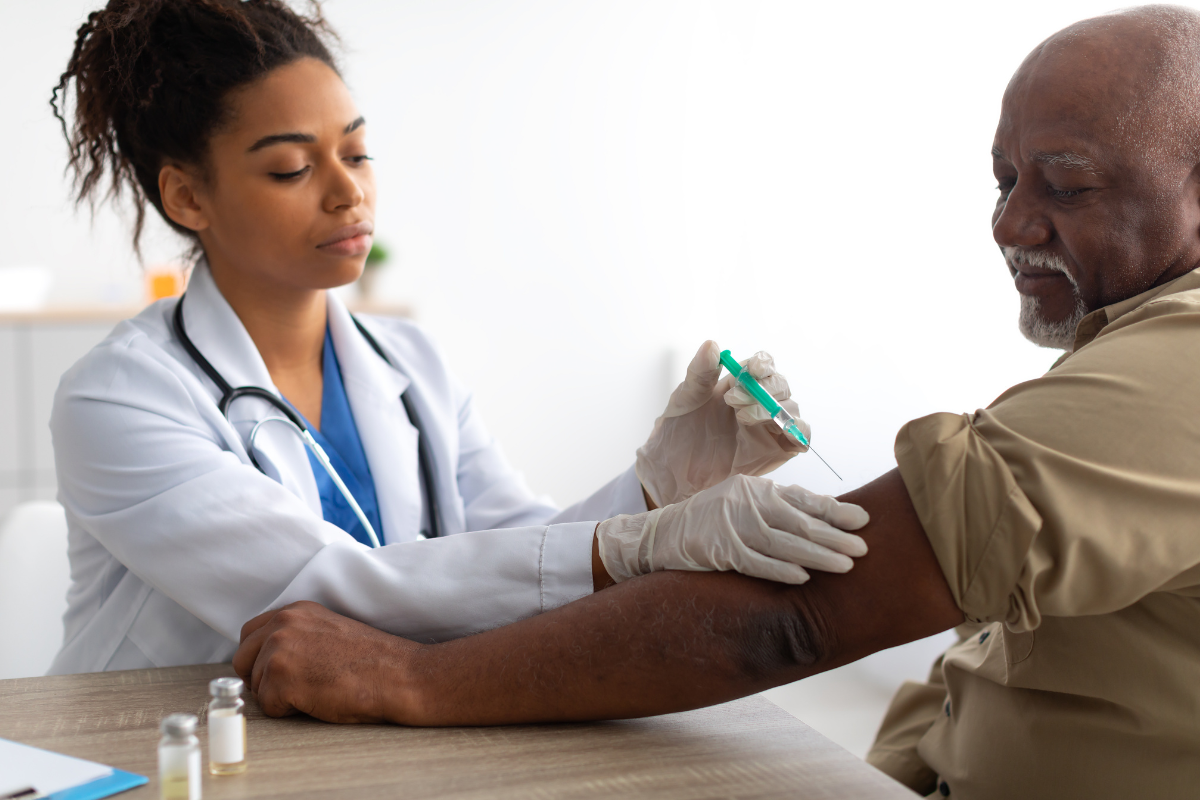
- Vaccinations — As we age, our immune systems weaken, making the symptoms of common conditions more severe and difficult to manage. When you reach 50 and beyond, talk to your doctor about vaccines for infections like the flu, COVID-19, pneumonia, and shingles.
- Frequency — Some, like the flu, are annual. Others are given in only one or two doses. Talk to your doctor about risk factors and which vaccinations are best for you.
While vision and hearing may not affect your overall health, they do impact your daily living. And dental problems can lead to or be worsened by other aspects of your health. Therefore, regular vision, hearing, and dental exams are as important as health checkups.
How to Get Health Checkups Without Insurance
We know times are hard; insurance and healthcare are expenses that many people struggle to afford.
However, your health is too important to skip wellness checkups due to cost.
First, see if you qualify for government programs such as Medicaid or low-cost insurance options for those who are unemployed or underpaid.
If you don’t qualify for those plans, check your local government for community health centers that offer checkups and vaccinations. You can also look for special community events where you may receive free health services.
Lastly, we at North Texas Clinic and Rehab are committed to offering everyone affordable cash-pay healthcare. We do our best to keep our costs low so that we can pass those savings on to our patients. Plus, we accept almost all major health insurance plans, Medicare/Medicaid, supplements, and CareCredit.
For exams we can’t perform in our clinic, such as mammograms and colonoscopies, we can make referrals and help you get the screenings you need.
So, if you want to take control of your wellness and start getting regular health checkups, call us today.