
Most people know the gut plays a role in digestion, but many women are surprised to learn how deeply it affects hormones, mood, energy, and even weight. As we age, especially after 40, women’s gut health becomes even more important.
Hormonal shifts, stress, changes in activity levels, and long-term eating habits all influence how well the gut works.
Gut health is crucial for men, too. However, due to hormonal, anatomic, and metabolic reasons, women experience more digestive symptoms and chronic conditions than men.
If you’ve been feeling off lately without a clear reason, your digestive system may be part of the picture.
Let’s walk through how women’s gut health connects to the rest of your body and the simple steps you can start taking today.
The Gut–Hormone Connection
Your gut and hormones talk to each other constantly. When the gut is healthy, this communication stays smooth. But when the stomach is irritated or unbalanced, hormone regulation can also become disrupted.
Here’s how gut health affects hormones:
- Estrogen balance: The gut helps process and remove extra estrogen. An unhealthy gut can slow this down, leading to symptoms like bloating, mood swings, or heavier periods during perimenopause.
- Stress hormones: A large portion of your body’s serotonin, the “feel-good” hormone, is produced in the gut. When your gut isn’t functioning well, serotonin levels can fluctuate and affect mood, sleep, digestion, and even bone health.
- Blood sugar control: Poor gut health can make blood sugar less stable, impacting insulin and potentially leading to weight gain over time.
Furthermore, hormonal changes, such as during perimenopause and menopause, also affect the gut itself. This can lead to a cycle of issues, both temporary and, if left untreated, chronic.
That’s why, as women age, they tend to experience slower digestion, bloating, and other changes in bowel patterns.
Common Signs Your Gut May Be Out of Balance
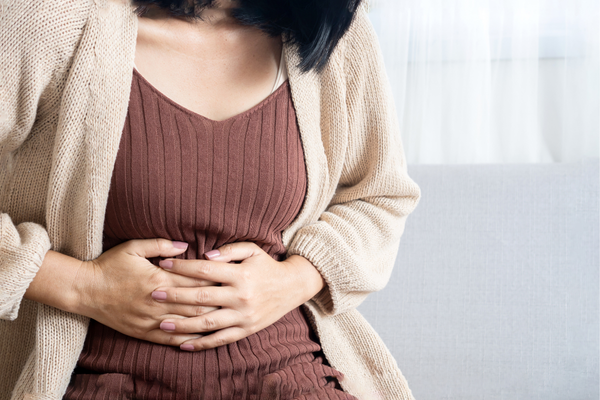
Gut symptoms don’t always show up as stomach pain. Many women experience subtle changes that are easy to overlook, especially as they develop over time.
- More frequent bloating or gas
- Constipation or diarrhea
- Ongoing heartburn
- Sudden food sensitivities, like lactose intolerance
- Unexplained fatigue
- Weight gain that doesn’t match changes in diet
- Low mood or increased irritability
- Brain fog or trouble focusing
If you notice several of these symptoms or if any of them are becoming debilitating, talk to your healthcare provider about your gut health and overall lifestyle.
How Women’s Gut Health Affects Mood, Weight, and Energy
Mood — Because the gut produces neurotransmitters like serotonin and communicates with the brain through the “gut-brain axis,” inflammation or imbalance can lead to:
- Irritability
- Low mood
- Anxiety or increased worry
- Trouble sleeping
Many women describe this connection as feeling “off” even when life is stable.
Weight — A balanced gut helps the body absorb nutrients, manage blood sugar, and regulate appetite. When the gut is unhealthy, women may notice:
- More cravings
- Difficulty losing weight
- Weight gain around the midsection
Weight management challenges are especially common during perimenopause when hormonal changes add another layer.
Energy — If the gut isn’t absorbing nutrients well or inflammation is high, your energy may drop. You may feel tired even after a full night’s sleep or notice a mid-day crash.
Simple Ways to Improve Women’s Gut Health
The good news is that most gut-supportive habits are simple and very doable.
1. Eat more fiber
Fiber helps feed the “good” bacteria in your gut and helps regulate healthier digestion. Try adding more fruits and vegetables, whole grains, beans and lentils, and nuts and seeds.
Aim to increase fiber slowly to avoid extra bloating.
2. Choose probiotic-rich foods
Food-based probiotics are gentle, naturally occurring, and, like fiber, help maintain the good bacteria in your digestive tract. Helpful options include yogurt, kefir, kombucha, sauerkraut or kimchi, and fermented pickles (not vinegar-based).
These foods support a diverse gut microbiome without the risks that come with supplements.
3. Stay hydrated
Water helps your digestive system move smoothly and reduces constipation.
4. Move your body regularly
Physical activity supports gut motility (movement). Even 20–30 minutes a day of walking or simple mobility exercises can help you feel better.
5. Manage stress
Stress is one of the biggest triggers for gut symptoms. To help you manage stress, try
- Deep breathing
- Gentle stretching or yoga
- Journaling
- Taking short breaks during the day
- Getting enough sleep
Even a few minutes of daily stress relief can make a difference.

What About Probiotic Supplements?
Many women reach for probiotic supplements hoping to fix bloating or digestive problems quickly. While probiotics can sometimes be helpful, there are a few essential things to know:
- They are not regulated like medications, so quality varies from brand to brand.
- They can interact with certain medications, including immunosuppressant drugs.
- Research is still mixed — there is no strong evidence that over-the-counter probiotics improve general gut health for most adults.
Anecdotally, some women do report improvement in symptoms like gas, bloating, or irregular bowel movements.
While probiotics and similar supplements are generally well-tolerated by most people, there isn’t necessarily much risk for taking them in those who don’t have chronic conditions or take regular medications.
However, there’s no such thing as a magic pill. All supplements, unless prescribed to resolve a deficiency, work best when combined with a balanced diet, regular exercise, and other healthy lifestyle habits. So while probiotic supplements usually cause no harm, they may not provide the benefits you’re looking for either, especially compared to the extra cost.
If you think probiotic supplements are a good option for you, especially if you have other conditions, your healthcare provider can make recommendations better suited to your health.
When to See a Healthcare Provider
You should schedule an appointment quickly if you notice:
- New or worsening digestive symptoms
- Unexplained weight loss or gain
- Blood in your stool
- Severe or ongoing abdominal pain
- Gut symptoms that persist longer than 2–3 weeks
As hormone levels shift with age, gut symptoms often change as well.
However, while these may be easily managed symptoms of aging, it is crucial to visit your healthcare provider if you experience any of these, as they could be signs of more serious conditions.
A conversation with your clinician can help you understand the cause and create a plan that supports long-term health.

Taking Charge of Your Gut Health
Improving women’s gut health often doesn’t require a complete lifestyle overhaul. Small, steady steps can reduce symptoms, support hormonal balance, improve energy, and help you feel more like yourself again.
If you’re struggling with digestive issues, low energy, or other women’s health problems, we’re here to help you sort through the symptoms and create a plan that supports your body at every stage of life. Schedule your appointment today!