If you’ve been told your blood pressure is “a little high,” or you’ve noticed higher numbers at home, you’re not alone. Blood pressure often rises slowly with age, especially after 40. The good news is that for many people, lowering blood pressure naturally is possible with small, steady lifestyle changes.
Nearly half of all American adults struggle with high blood pressure. And if left uncontrolled, it can have devastating effects, including heart attacks and strokes.
If you want to protect your heart health and longevity, feel better day to day, and take action before medication becomes necessary, this is the right place to start.
What Is Considered Normal vs. High Blood Pressure?
Blood pressure is measured using two numbers:
- Top number (systolic): Pressure when your heart beats
- Bottom number (diastolic): Pressure when your heart rests
A normal blood pressure is typically 120/80 or lower.
It’s considered elevated if the top number is between 120 and 129 and the bottom number is 80 or below.
It’s considered high (also known as Stage 1 Hypertension) when the systolic pressure is between 130 and 139 or the diastolic pressure is between 80 and 89 regularly.
Blood pressures above 140/90 are known as Stage 2 Hypertension and often require medication in addition to lifestyle changes.
Your blood pressure usually doesn’t spike overnight. It creeps up slowly, which is why many people feel “fine” even when their numbers are silently rising.
Signs That You May Be at Risk for High Blood Pressure
Factors that increase your risk of high blood pressure include smoking, frequent alcohol intake, a high-salt and cholesterol diet, obesity, and infrequent exercise. Some factors are uncontrollable, such as a family history of heart disease, age, and even race.
High blood pressure is often called the silent condition because symptoms aren’t always obvious. Still, some people notice:
- Frequent headaches,
- Feeling flushed or tense,
- Fatigue or brain fog,
- Shortness of breath with activity,
- And poor sleep,
Whether or not you have symptoms, elevated numbers matter. Over time, they can strain the heart, blood vessels, kidneys, and brain.
Lowering Blood Pressure Naturally With Simple Diet Changes
You don’t need a strict or expensive diet to support healthy blood pressure. Small shifts go a long way toward a longer, healthier life.
Start with these changes:
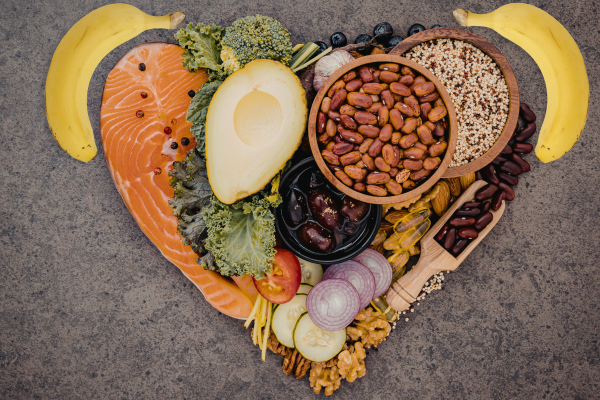
- Reduce salt slowly: Cut back on processed foods, canned soups, deli meats, and fast food. These are all sources of high sodium content.
- Eat more potassium-rich foods: Potassium is necessary for your heart and helps in lowering blood pressure naturally. To increase your intake, eat foods such as bananas, beans, leafy greens, and sweet potatoes.
- Balance your plate: Aim for mostly lean proteins (poultry, lean beef, fish and seafood, beans, Greek yogurt, tofu) and nutrient- and fiber-dense foods (vegetables, fruits, beans, whole grains), and a smaller amount of healthy fats (avocados, nuts, eggs, olive oil) at each meal.
- Stay hydrated: Dehydration can raise blood pressure, so be sure to drink an adequate amount of water (sparkling counts!) and sugar-free drinks throughout the day.
You don’t have to be perfect. Even replacing one salty meal a day with whole foods helps.
Exercises That Improve Heart and Blood Pressure Health
Movement is one of the most powerful tools for lowering blood pressure naturally and boosting your overall health.
Best options include:
- Brisk walking (20–30 minutes most days),
- Cycling, swimming, or dancing,
- Yoga and pilates,
- Light strength training,
- Chair exercises or resistance bands if mobility is limited.
You don’t need intense workouts. In fact, even household activities such as gardening and cleaning support heart health and keep your body moving.
In addition to many other health benefits, consistent, moderate daily movement helps blood vessels relax and improves circulation.
Life Habits That Lower Blood Pressure
Daily habits often matter more than people realize. While some of these changes may take time to adopt, small shifts can have big impacts.
To improve your overall health and start lowering your blood pressure, try:
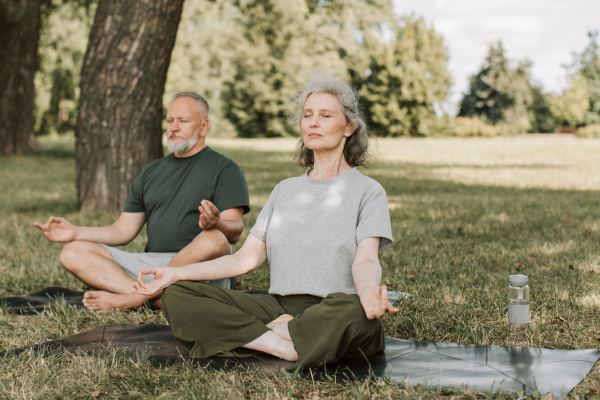
- Reducing stress: Stress-reduction methods include deep breathing, stretching, short walks, prayer, and meditation.
- Improving sleep: Aim for 7–8 hours when possible. If you struggle with snoring or other problems sleeping, talk to your healthcare provider.
- Limiting alcohol: Fewer drinks means less strain on your heart. Try cutting back to no more than 2 drinks a day for men, 1 drink a day for women, with the goal of having no more than 2-4 drinks a week.
- Stopping smoking: Even cutting back helps improve circulation, but quitting is important for your health. Again, if you need help, talk to your healthcare provider.
- Managing weight gently: Slow, steady changes are better than crash diets. If you follow healthier eating guidelines and start moving more, you will lose weight safely and steadily.
Each of these changes will reduce strain on your heart and support your nervous system, which plays a significant role in blood pressure regulation.
How Long Does It Take to Lower Blood Pressure Naturally?
This is one of the most common questions, and the answer depends on consistency.
Some people see small improvements within 2–4 weeks. Larger, lasting changes often take 2-3 months. However, the benefits will continue to grow as long as you maintain healthier habits.
The goal here isn’t fast results. It’s creating changes your body can sustain.
How Often Should You Check Your Blood Pressure?
Checking at home can be helpful, but more isn’t always better.
General guidance:
- 2–3 times per week is enough for most people.
- Check at the same time of day.
- Sit quietly for a few minutes before measuring.
- Write your results in a notebook, including the date and time if it varies.
- Track trends, not single readings.
If you do have an unusually high result, sit for a few more minutes and try one more time. But don’t keep checking it if you are stressed; this can raise your numbers and anxiety.
Bring your notebook to your next doctor’s appointment to discuss your blood pressure results (both good and not so good) with your provider.
When Lowering Blood Pressure Naturally Isn’t the Best Option
Natural approaches are most effective for mild or moderately elevated blood pressure. They may not be enough if:
- Blood pressure remains high despite lifestyle changes.
- Numbers are consistently in the danger range.
- You have chest pain, dizziness, or other concerning symptoms.
- There is a known heart or kidney condition.
In these cases, medical care is crucial. Lifestyle changes are still important, but they may not be enough alone.
Fortunately, even if you do need medication to manage high blood pressure, you may not have to take it forever. Healthier eating, increased physical activity, and other consistent heart-supporting habits can improve your health and circulation enough to not require medication for life.
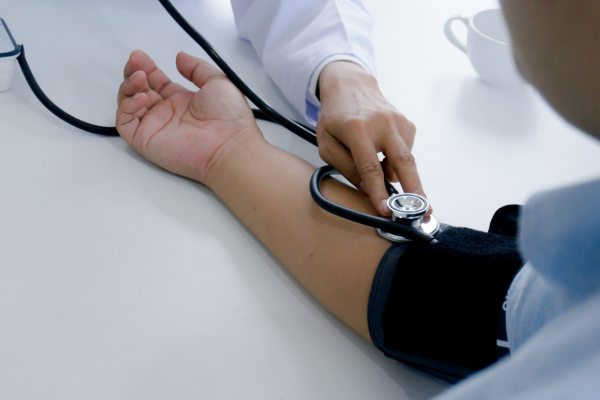
Discuss Whether Lowering Blood Pressure Naturally is Right for You
Lowering blood pressure naturally isn’t about fear or perfection. It’s about listening to your body and giving it the support it needs through food, movement, rest, and daily habits.
If you’re unsure where to start or want guidance tailored to your health, we can help you understand your numbers and choose the safest next steps for your heart and longevity. Call to schedule an appointment or come in today.
The earlier we catch signs of rising blood pressure, the easier it is to lower it and take control of your health!