
Taking care of your heart is one of the most important steps you can take to protect your long-term health. While many people think of heart disease as something that mostly affects men, the truth is that heart disease is the leading cause of death for women in the United States.
The good news is that many heart problems can be prevented or managed with the right habits and regular medical care. By understanding women’s heart health, you can make heart-healthy choices that keep your body strong and help you stay active for years to come.
Below, we’ll explain how heart health in women is different, what numbers matter most, and what you can do every day to support a healthy heart.
Why Women’s Heart Health Matters
Many women spend years caring for their families, careers, and communities while putting their own health last. Unfortunately, this can allow heart-related problems to develop quietly over time.
Heart disease often develops slowly. Conditions such as high blood pressure, high cholesterol, and diabetes can damage blood vessels without obvious symptoms at first.
Understanding women’s heart health helps you recognize risk factors early and make small lifestyle changes that can greatly reduce your chances of heart disease.
How Is Women’s Heart Health Different From Men’s?
Although men and women share many of the same risk factors for heart disease, there are some important differences.
First, women often develop heart disease later in life, especially after menopause, when hormone levels change. Estrogen helps protect the heart earlier in life, but that protection decreases with age.
Second, heart attack symptoms in women can sometimes be different than the classic symptoms people expect. While chest pain is still common, women may also experience symptoms such as:
- Pain in the back, jaw, neck, or shoulders
- Shortness of breath
- Nausea or stomach discomfort
- Unusual fatigue
- Lightheadedness
Because these symptoms can feel less obvious, women may delay seeking medical care. Recognizing these signs early is an important part of protecting women’s heart health.
Finally, there has been much less focus on women’s heart health research than on men’s in the past. Those numbers are even worse for women of color and minorities. This underrepresentation leads to improper treatment, ignored symptoms, and higher mortality rates. Fortunately, researchers are striving to include more women and minorities in their studies today, but there’s a lot of catching up to do.

Common Risk Factors for Heart Health in Women
Several factors can increase the risk of heart disease. Many of these are within your control with lifestyle changes and healthy habits. However, some have a genetic component or may become chronic, requiring medical support.
Common risk factors include:
- High blood pressure
- High cholesterol
- Diabetes or prediabetes
- Smoking
- Moderate to heavy alcohol consumption
- Being overweight
- Physical inactivity
- Chronic stress
- Family history of heart disease
Certain pregnancy-related conditions, such as gestational diabetes or preeclampsia, can also increase a woman’s risk of heart problems later in life.
Understanding your risk factors allows you to take steps early and make heart-healthy choices that protect your long-term health.
Healthy Heart Rate for Women and Other Important Metrics
Your heart rate and other health measurements can provide helpful information about your heart health.
Resting Heart Rate
For most adult women, a normal resting heart rate is typically between 60 and 100 beats per minute. Women who exercise regularly may have lower resting heart rates, which is often a sign of good cardiovascular fitness.
Blood Pressure
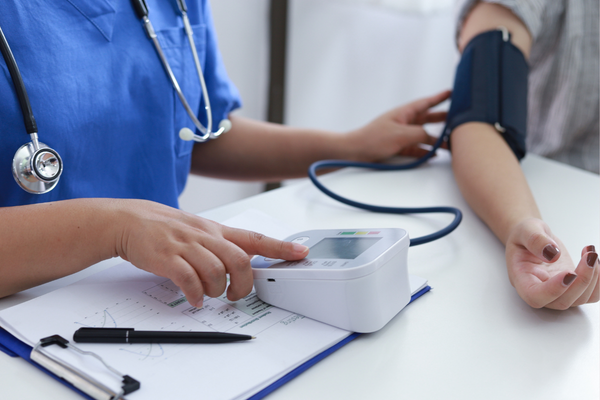
Healthy blood pressure is generally considered below 120/80 mmHg. Higher numbers may increase your risk of heart disease and stroke.
Cholesterol Levels
Cholesterol levels help determine whether plaque may build up in your arteries. With a blood test called a lipid panel, your healthcare provider may check your LDL (“bad”) and HDL (“good) cholesterol levels, total cholesterol, and triglycerides.
Depending on your risk factors and symptoms, your healthcare provider may also want to check your blood sugar, weight and body composition, and family history. They may also suggest other, more specific tests, such as ANS testing.
Even if you feel healthy, yearly checkups and screenings can detect early warning signs before symptoms appear.
Women’s Heart Healthy Diet
What you eat plays a major role in your heart health. A balanced diet helps control cholesterol levels, blood pressure, and weight. Plus, it provides the nutrients your body needs to function at its best.
Heart-healthy choices often include:
- Fruits and vegetables
- Whole grains
- Lean proteins, such as fish, chicken, beans, and tofu
- Healthy fats from foods like nuts, seeds, and olive oil
And a balanced diet doesn’t have to be expensive! Frozen and canned foods are great substitutes for fresh produce. Just remember to rinse canned foods to reduce unnecessary salt. Also, be sure to look for “no sugar added” options when buying canned or jarred fruits.
In addition to what you should eat, it’s helpful to know what to limit or avoid completely. It is also helpful to limit foods that may raise blood pressure or cholesterol, including:
- Highly processed foods
- Excess sodium (like in chips, many frozen meals, and even casual dining dishes)
- Sugary drinks and snacks (especially sodas, boxed baked treats, and candy)
- Fried foods
While these are okay in moderation (unless your healthcare provider has instructed otherwise), eating these foods too often can raise blood pressure and cholesterol, leading to long-term damage.
Even small improvements in daily eating habits can add up to big benefits for heart health over time.

Exercising for Women’s Heart Health
Regular physical activity strengthens the heart and improves circulation. Exercise can also help manage weight, lower blood pressure, and reduce stress.
Most healthcare providers recommend at least 150 minutes of moderate exercise per week. (Moderate exercise is movement that raises your heart rate by roughly 50%-60%. It shouldn’t be so intense that you can’t talk through it, but it’s hard enough that you can’t sing.)
Activities that get your heart rate up include:
- Walking
- Cycling
- Swimming
- Light jogging
- Strength training
- And even household chores, like gardening and vacuuming
If you are new to exercise, start slowly and gradually increase your activity level. Even short daily walks can make a meaningful difference for women’s heart health.
Everyday Habits That Support Women’s Heart Health
Beyond diet and exercise, several everyday lifestyle choices can help keep your heart strong.
Helpful habits include:
- Getting 7–9 hours of sleep each night
- Managing stress through relaxation techniques or hobbies
- Staying hydrated
- Limiting alcohol consumption
- Avoiding smoking
- Taking breaks from sitting for long periods
These simple lifestyle habits support overall wellness and encourage long-term heart and overall health.

How to Talk to Your Healthcare Provider About Heart Health
Many women hesitate to bring up heart health during routine appointments, especially if they feel fine. However, discussing your concerns with a healthcare provider can help you better understand your risks and develop a prevention plan.
First, pay attention to your body because nobody knows it better than you do. If something feels off, be sure to note it so you can discuss it with your provider.
During your appointment, be as specific as possible, especially when discussing new symptoms or sensations and how they differ from the norm.
Even if you are perfectly healthy and have no current concerns, talking to your provider about women’s heart health today can make a huge difference for your future.
Consider asking questions such as:
- What is my risk for heart disease?
- Are my blood pressure and cholesterol levels healthy?
- What lifestyle changes would help my heart the most?
- Should I schedule additional screenings?
Open conversations allow you and your provider to work together to support your long-term heart health.
Taking Care of Your Heart
Protecting women’s heart health doesn’t require drastic changes overnight. Instead, it comes from consistent habits that support your body over time.
By making heart-healthy choices, staying active, and maintaining regular healthcare visits, you can significantly reduce your risk of heart disease and keep your heart strong.
If you have concerns or would like guidance on improving your overall wellness, our team is here to help. Scheduling a checkup is an important step toward protecting your health today and in the future.