
Do you ever look at your kitchen counter and feel overwhelmed by pill bottles? You might have pills for your heart, blood pressure, and diabetes. Throw in some recommended vitamins and supplements, and it all adds up quickly. As your body needs more support to function effectively, safe medication practices are essential.
When you take multiple medications (known as polypharmacy), it can be hard to keep track of what each pill does and when to take them. You might even struggle with remembering whether you took it at all.
It’s crucial to feel confident and empowered about your health, whether you’re taking care of yourself or getting assistance from a caregiver. It’s equally important for caregivers to understand how to administer medication properly.
Medications, vitamins, and supplements help you feel better and live longer. However, if they aren’t taken correctly, they can actually cause more problems. Learning about safe medication practices is one of the best ways to stay independent and healthy.
Why Medication Safety is So Important
As we get older, our bodies begin to slow down, and the way they handle things today is very different from even 10 years ago.
Your liver and kidneys help clean medicine out of your blood. Unfortunately, as you age, these organs often don’t work as quickly or effectively. This means medicine can stay in your system longer than it used to.
Furthermore, even if your organs are still doing a fantastic job, combining certain medicines or taking more (or less!) than you need can have dangerous side effects.
If medications are not managed well, side effects can include dizziness, fatigue, confusion, or more life-threatening situations, such as low blood pressure or, in extreme cases, a heart attack. Even minor side effects can lead to dangerous falls and injuries.
Just as it’s important not to combine certain medications or take more than prescribed, it’s also essential to take them as recommended. Not taking as much as you need, or not taking them at the right times of day, can also have major repercussions.

Important Safe Medication Practices Every Day
The best way to stay safe is to know what you are taking, what each medication does, and when and how to take them.
If you or your caregiver needs help with that, it may be time for a “Brown Bag Review.”
Brown Bag Review
Gather all of your medications, vitamins, and supplements and put them into a bag. This collection should include topical (creams, eye drops, nasal sprays, etc.) and suppository medications, as well as your oral (by mouth) ones.
And don’t skip over-the-counter medications, such as pain relievers or allergy medications, vitamins, or supplements, either. If it’s something you take or use even just occasionally, it’s best to bring it with you.
Bring this bag to your healthcare provider or pharmacist. (You may want to schedule an appointment since this can take 30 minutes or more.) They will review each medication, explain its uses, and ensure you’re taking everything appropriately and that there are no dangerous interactions.
Pill Organization
Another important safe medication practice is organization.
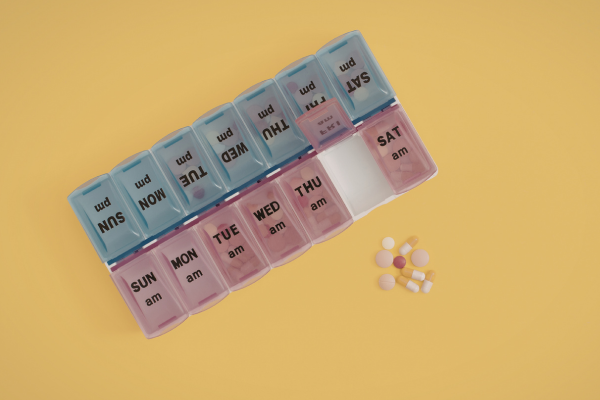
Pill boxes have slots for every day of the week, and some even have individual boxes for morning and night. Organizing your medications this way stops you from taking too much or missing doses.
As you or your caregiver refills them at the end of the week, it’s helpful to have a chart to ensure medications are accounted for and organized correctly. If using a chart, make sure it lists the medication name, dosage, frequency, and time. You might also want to note when it’s time for prescription refills. (This chart is also quite handy for new healthcare providers or emergency room visits.)
Other Safe Medication Practices
Always keep your prescriptions in their original containers, except for what you’re removing to put into pill boxes. The original packaging should have pharmacy stickers that provide crucial information about it.
Finally, this may seem obvious, but always swallow pills with water or liquid and take them one at a time to prevent choking. If you are having trouble swallowing your medications, talk to your doctor as soon as possible.

How to Store Medications the Right Way
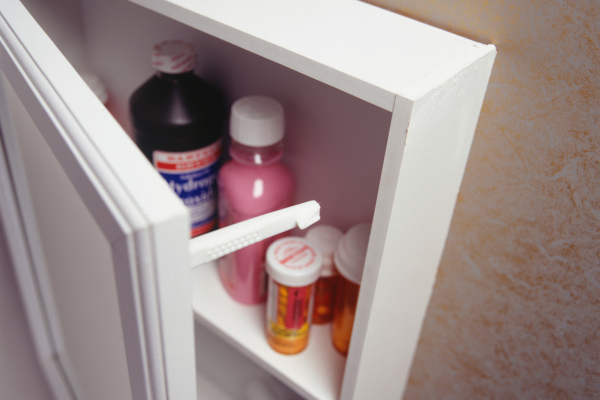
Where you keep your medicine is just as important as how you take it. Most pills need to stay in a cool and dry place. Light and heat can actually make medicine weaker. If a pill gets too hot, it might stop working the way it should.
Many people keep their pills in the bathroom cabinet, but that’s actually one of the worst places for them. The steam from your shower creates a lot of moisture. This moisture can get inside the bottles and ruin the pills. A better spot is a high kitchen cabinet or a dresser drawer.
Also, make sure they are stored away from children or pets. Even natural vitamins can be dangerous if a child gets into them. Either store them up high where little ones can’t reach them, or use child- (and pet!) safety locks on cabinets and drawers.
Safety is another great reason to keep prescriptions in their original bottles, as they are usually difficult for children to open.
Talking to Your Pharmacist About Safe Medication Practices
We know that it can often seem like your pharmacist is busy. They often are!
However, their customers’ health and medication knowledge are their highest priority. Since they are the experts, you have the right to ask them as many questions as you need.
When you receive your prescriptions, check the labels to make sure they tell you when and how to take them. If not, be sure to ask!
Other important questions you should ask if you don’t already know include:
- What does this medication treat?
- If this medication is only to be used as needed, what is the maximum amount I can take in a day?
- Should I take this with food or on an empty stomach?
- Is this safe to take with my other medications and supplements?
- What are the possible side effects?
- What side effects should I look out for that require medical help? (Also, when should I schedule an appointment to discuss side effects versus going to the emergency room?)
In addition to asking questions regarding safe medication practices, you can also request modifications to the packaging. If the label print is too small to read, ask for large-print labels. Or, if you are unable to open the bottles easily, request “easy-open” caps.

Medication Conversations With Your Healthcare Provider
Another essential discussion you should have before you even pick up your prescription is whether you drink alcohol regularly or take any other drugs. Even one drink can change how certain medications affect your body, and side effects can become quickly dangerous.
Remember, neither your pharmacist nor your healthcare provider is here to judge you. We only want to ensure you are safe and healthy. But honesty is key. Always discuss your alcohol or other substance use with your healthcare provider, especially when starting a new medication or dosage.
We also understand how finances can impact your health decisions. Many people cut pills in half or take less than prescribed to save money. This practice is not safe.
If you cannot afford your medications, please discuss this with your provider and/or pharmacist. We want all of our patients to have access to the medications they need, and we can find options or programs to help lower the cost.
Finally, talk to your healthcare provider if you feel “off” or have concerns about your medications. Whether they aren’t working well enough or you’ve experienced possible side effects, your provider needs to know how you feel day-to-day. Checkups are a great time to discuss safe medication practices and effects with your provider.
How to Handle Missed Dosages
Everyone forgets a pill once in a while. Life gets busy, and mistakes happen.
If you realize you missed a dose, do not panic. The most important rule is to never take two doses at once. Taking a “double dose” to catch up can be very dangerous for your heart, stomach, and other organs.
If you miss a dose, check the label or information papers that came with your medicine. They usually tell you what to do, and the most common advice is, “Take your next dose as prescribed.”
If you cannot find the information or you’re not feeling well due to a skipped dose, call your pharmacist or healthcare provider. They can tell you if you should take it right away or wait until the next day.
Knowing When Assistance is Needed
It is okay to ask for help. While maintaining independence is important to many, it can become dangerous for your health if you start to struggle with safe medication practices.
If you find yourself getting confused about your schedule or medications, tell a family member or a friend. Caregivers can help by organizing your pills and setting alarms to remind you when it’s time to take your medicine.
You should also watch for “red flags.” These are signs that your medicine might be causing a problem. Call us as soon as possible if you notice:
- New rashes or itchy skin.
- Feeling very dizzy when you stand up.
- An upset stomach that does not go away.
- Feeling “foggy” or confused.
If you are a caregiver, watch your loved one closely. If they seem more tired or unsteady than usual, it might be time for a medication review. (And caregivers, do not be afraid to ask for help, either! Providing care and support for your loved ones is a big job. If their needs exceed what you can provide, or if it starts to take a toll on your own wellness, there are resources for you, as well!)

Finding Support for Safe Medication Practices
Managing many different medications can be a challenge at any age. It can also be a financial burden.
But your health is the highest priority. Your healthcare providers and pharmacists can provide information and support to help you afford and safely manage your medications.
You do not have to figure this out alone. In addition to your provider and pharmacist, other resources for finding financial help include your insurance provider, Medicare/Medicaid, veteran’s programs, and online sources like Needy Meds and GoodRx.
For assistance with home care and caregiving resources, check your local and state government websites (such as hhs.texas.gov), Care.com, and eldercare.acl.gov.
There are so many more resources for both seniors and their caregivers than many people realize.
So, if you feel confused about your medications or are worried about making mistakes, help is available. Schedule an appointment at North Texas Clinic and Rehab today, or make one with your pharmacist for a “Brown Bag Review.” Together, your healthcare providers and online resources can ensure you get the help you need to stay safe and healthy.